On a venture of creating visual identity and graphics, I enjoy learning new design empathies.
I also love to find brain heckling ideas, poring over explanatory journalism and dissecting musical genres.
My portfolio showcases various projects created throughout my career. See my contact information below and get in touch.
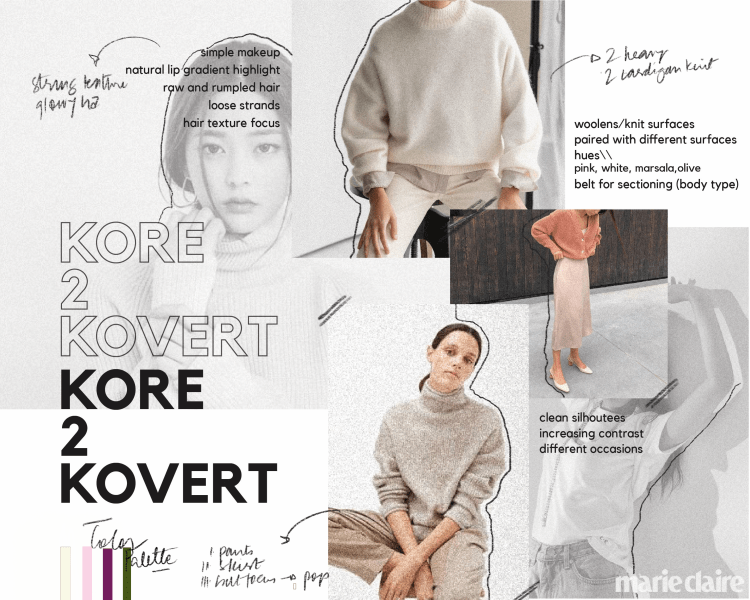
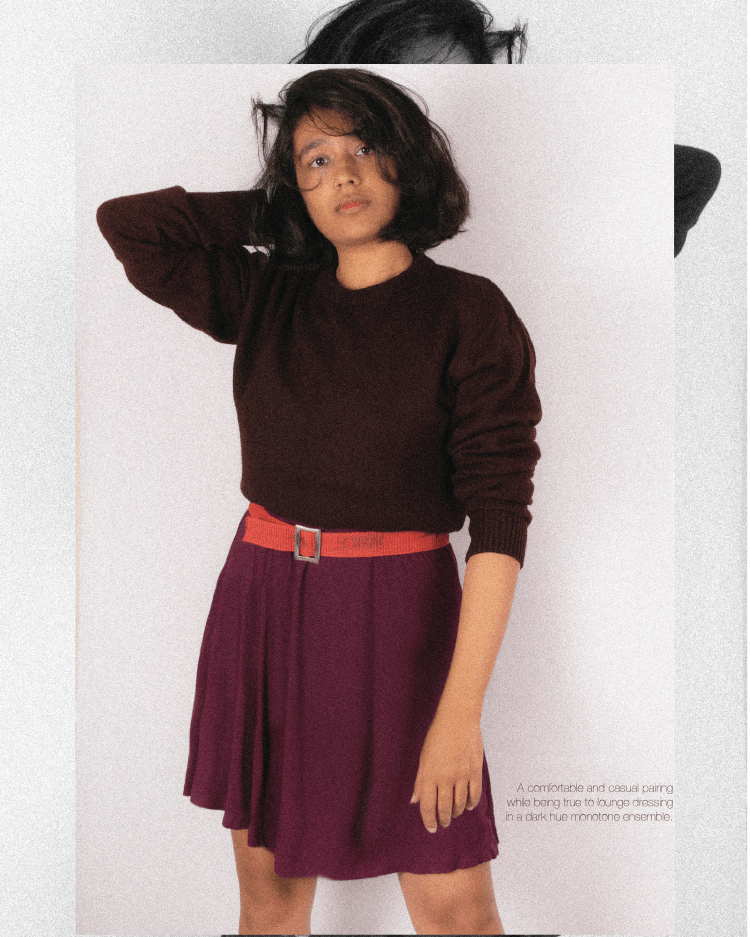
KORE2KOVERT – A CONCEPT PHOTOSHOOT












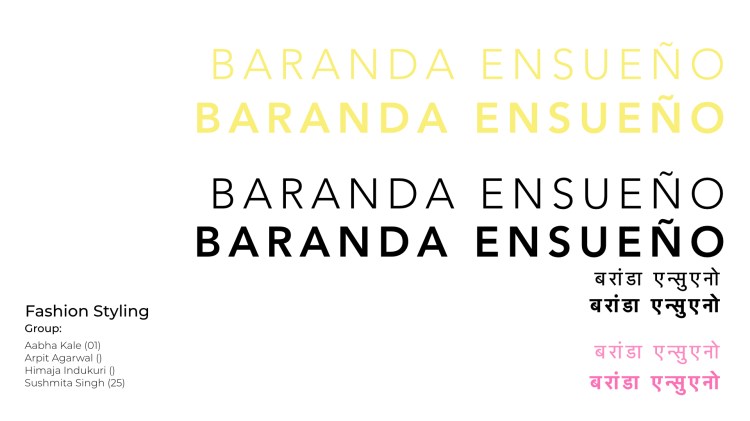
BARANDA ENSUENO – AN EDITORIAL
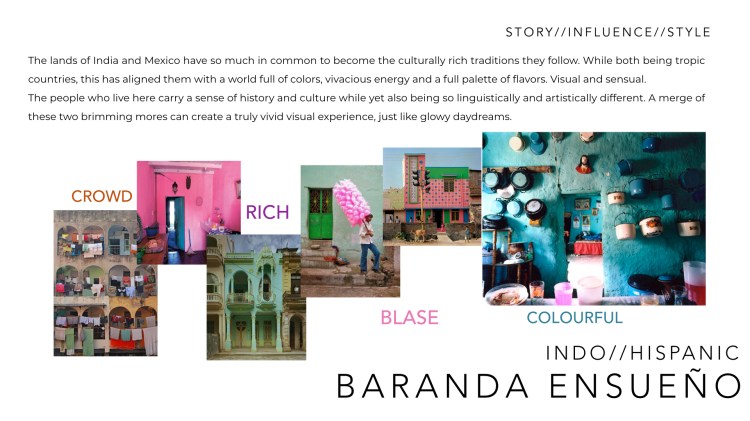
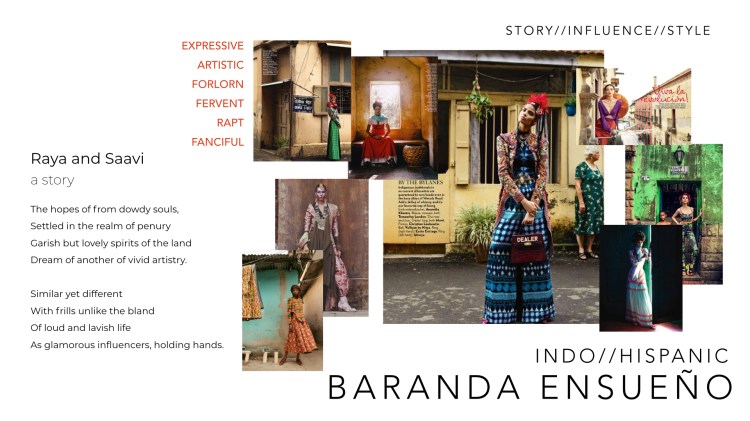
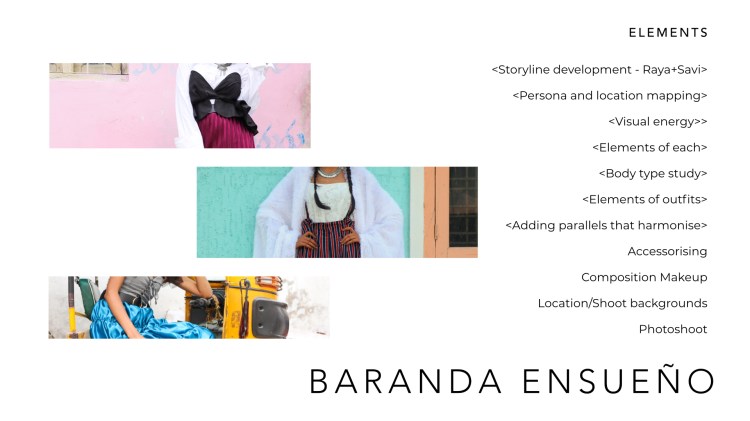
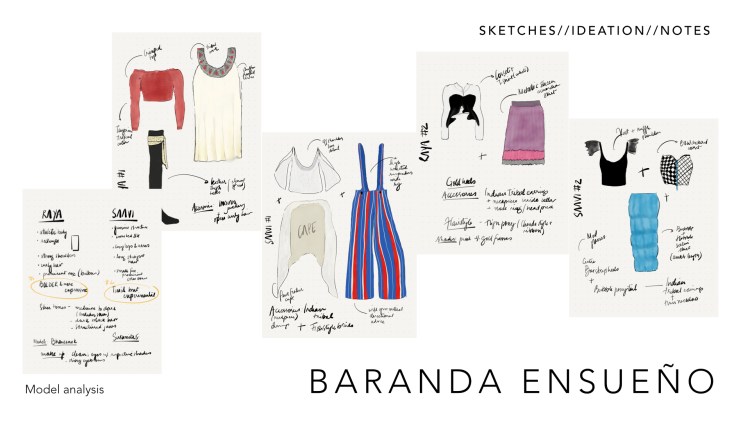
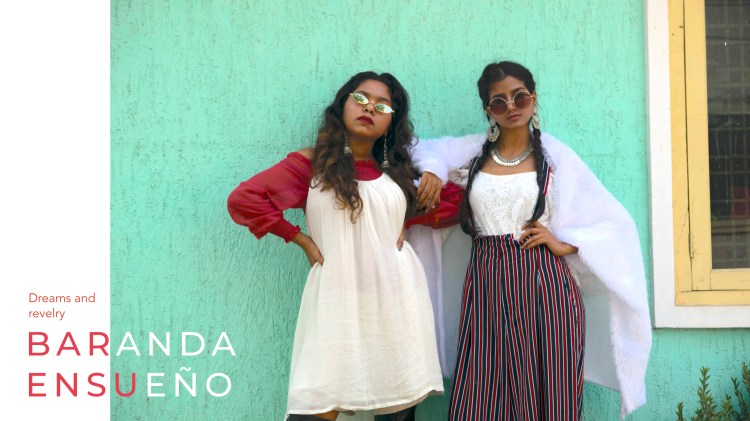
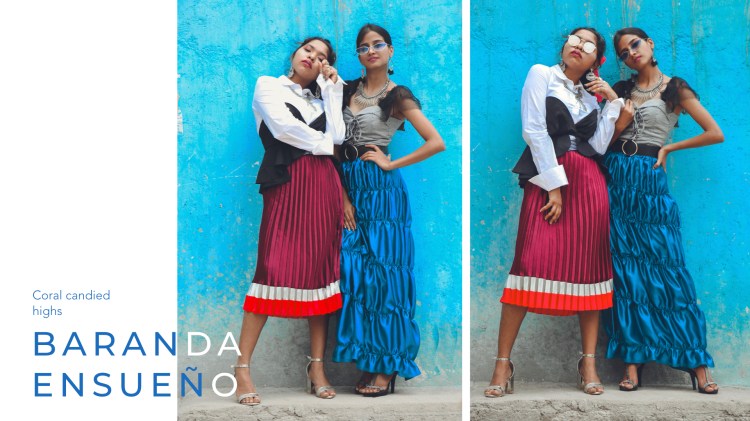
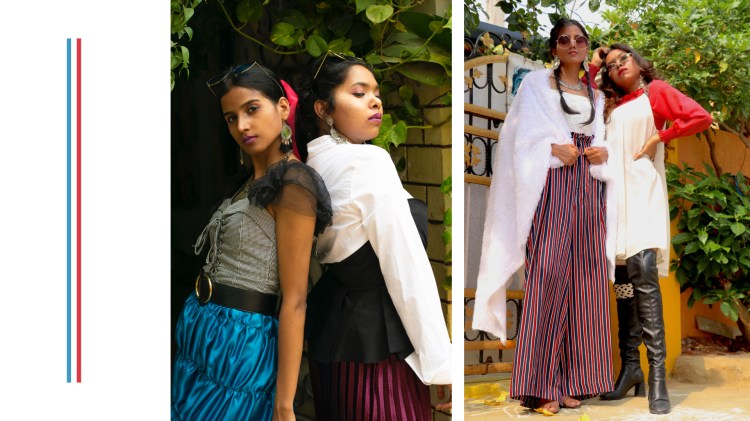
An editorial shoot based on two fictional characters and their dreams.
VISCID WILLOW
A fashion film by Aabha A. Kale and Himajaa Indukuri
//CLIMATE STRIKE AND THE RISE OF FASHION UPCYCLING//
With the rise of conscious consumption and its toll on climate, fashion industry is altering courses slowly to do damage control in time!
Spearheaded by Greta Thunberg, a teenage Swedish environmental activist, the Global Climate Strike 2019 happening from 20th – 27th September 2019 brings forth a new era of climate change discussion. Thousands of teenagers rallied around the world with the aim to ask for better laws in production of fossil fuels. One of the bi-products of these, polyester polymers and other non biodegradable fibres are major parts in the fashion production sector, the third most polluting sector according to the report by United States Environmental Protection Agency on Clothing and Textile Industry Production for 2016.
The fashion industry is responsible for over eight per cent of the world’s overall carbon emissions; more than the aviation and shipping industries combined. With disruptive and excess buying patterns and rise of fast fashion, a use and throw mentality for clothing has lead to in trillions of tonnes of waste fabrics. These mindless quantities of production have sparked a new movement—active upcycling.
“Upcycling and shared economy is a better solution than ethically produced fabrics.” says Rahul Khadaliya. “ We do not need to produce any more as there is so much there is already being wasted. For examples there are many US companies sending once or twice worn garments to India, Srilanka and other developing countries for recycling or discarded.” Khadaliya is the founder and director of The Second Life, an upcycling brand that accessories and products from waste materials sourced.
Upcycling undertakes a crucial role of reducing wastage of natural resources in fabrics produced today that are are non biodegradable, often are used less than 7 times before ending up in the landfills and reduce process of mindless production that send 85% of it in landfills, according to the survey carried out by US Environmental Protection Agency in 2016. Stella McCartney recently partnered with Adidas to create the Infinite Hoodie, made using NuCycl technology that liquifies old cotton into new clothes that uses a material that can then be reused over and over again.Young designers like H&M Design Award 2019 winner Priya Ahluwalia uses vintage and deadstock fabrics and Bethany Williams uses waste to create new textiles. With a rise in restoration techniques as seen in the collection by Etro and streetwear fusion, the upcycling trend is slowly seeping into mainstream clothing. Indian culture already has a strong connect with upcycling as generations of Indians have used hand-me-downs, heirloom sarees & traditions like Kaudhi which practice upcycling fabrics into craft. This practice slowed with the rise of fast fashion, online shopping and year around sales. “We need to bring it back in a big way as India has roots in this that connect to our culture and nature with lots of processes that use one’s waste as other’s resource. Due to a push from individual entrepreneurs willing to risk against market and produce something that touches consumers hearts and creates awareness. This trend is yet to be utilised as main line production supply chain.”
Homegrown brands like PatchOverPatch and Dodellage among many others have committed to making innovative products created entirely from reused and upcycled fabrics. PatchOverPatch, a Surat based up cycling fashion brand uses patches from different fabrics to create a refurbished garment with comfortable silhouettes and trendy designs. Founder, Kavisha Parikh mentions the ‘topic of over consumption, production and sustainability’ being the biggest propeller of their brand. The brand “makes everyday work around the ideas of sustainability projected and questions them, breaks them down to its basics to analyse them from different and progressive measures of sustainability.”
These brands now aim at a more customisable and holistic approach to upcycling with developments in new areas of fashion like footwear, artisanal upholstery and streetwear. As a consumer in this developing market, this is a brilliant way to give back to the community and develop a personalised heritage closet. This rise in contemporary fashion activism comes at a right time to revive an old heritage and save the planet while doing so.
For more information about the movement and its ancillaries check out https://globalclimatestrike.net, 350.org, drapersonline.com
 a.dot by Aabha